

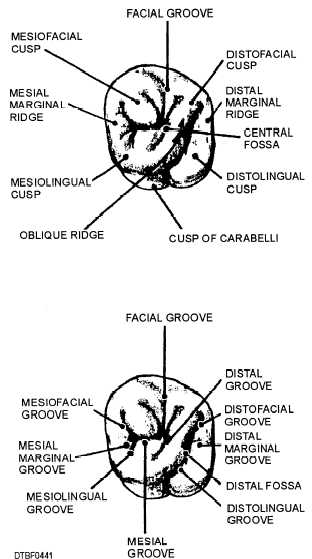
Figure 4-41. - Features of occlusal surfaces of maxillary first molar.
The maxillary second molar (tooth #2 or #15), illustrated in figure 4-42, is the seventh tooth from the midline. The second molars are often called 12-year molars because they erupt when a child is about 12 years old.
Because it has the same function as the maxillary first molar, its physical characteristics are basically the same. The second molar is smaller, the occasional fifth cusp of Carabelli does not appear, and there is a marked reduction in the size of the distolingual cusp.
The maxillary third molar (tooth #1 or #16), illustrated in figure 4-43, is the eighth tooth from the midline. Third molars are often called wisdom teeth
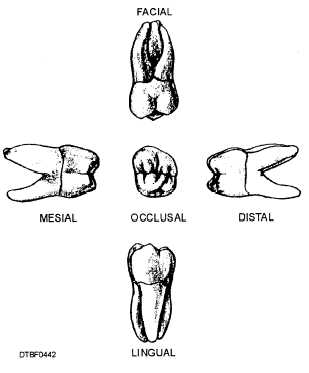
Figure 4-42. - Surfaces of maxillary second molar.
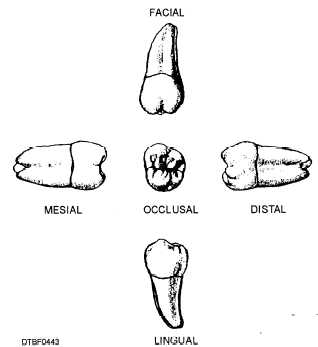
Figure 4-43. - Surfaces of maxillary third molar.
because they erupt when the young adult is passing into manhood or womanhood. The tooth is much smaller than the maxillary first or second molars, with an occlusal outline that is nearly circular. 4-21